We test what your AI actually does against what you say it does.
You tell candidates, customers and buyers what your AI does. We pull the real data from your systems, test them, and hand you findings with the evidence attached. Not audit theatre.
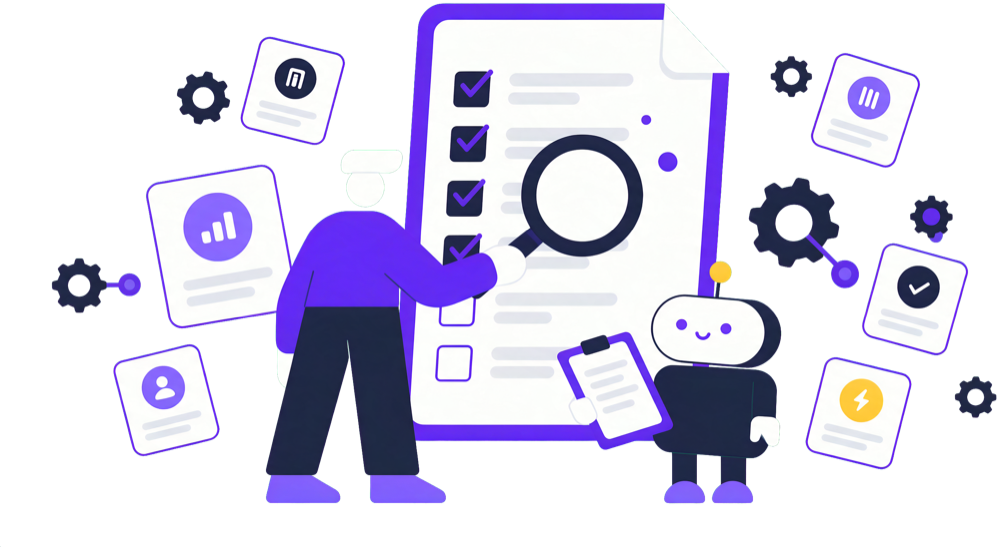
THE GAP BETWEEN WHAT'S SAID AND WHAT'S DONE
Most organizations can describe their AI. Few can show that the description is true. That gap is the first thing a regulator, a customer or a complainant will find.
Human review that isn't
Candidates are told a person reviews every AI decision. The logs show approvals in seconds and almost no overrides.
A policy nobody follows
The AI usage policy forbids pasting client data into public tools. Nobody has checked what staff actually paste.
Supplier answers vs. supplier behaviour
The vendor questionnaire says “no AI” or “no data retained.” Their tools sometimes say otherwise.
Public claims nobody has checked
A responsible-AI report, a committee, a promise on the website. None of it has been held up against what the systems really do.
WHERE TO START
Each audit is an entry point. Start with the one that matches where you are.
NINE AUDITS, ONE METHOD
Each audit tests what your systems actually do and ends in something concrete: a report, proof you can show, something built and ready to use, or a record kept up to date.
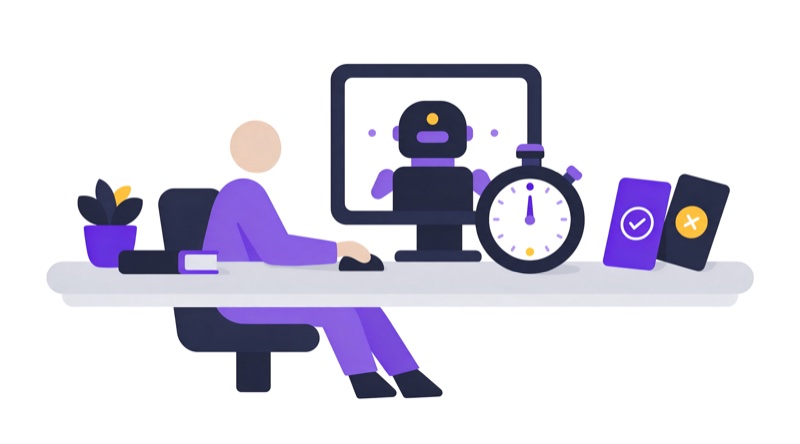
Hiring & Workforce AI
We pull the real data from your hiring and HR systems and prove whether the AI does what you tell candidates and employees it does.
Typically for: Employers with an ATS or AI screening tool.
Six checks included
- Human-review reality: speed, override rate, consistency
- Knockout rules
- Counterfactual test on matched applications
- Disclosure gaps
- Chatbot compliance
- EFVPQuebec only
You walk away with
- Findings report
- Portable proof: the Quebec EFVP, in French
- A bilingual candidate notice and a working human-review workflow
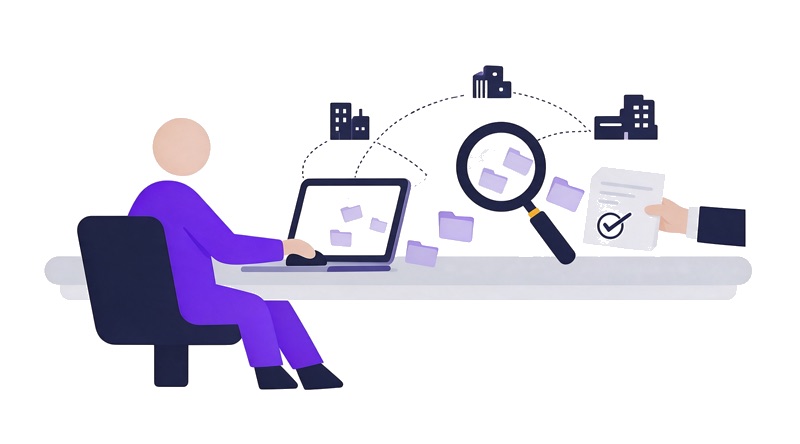
AI in Delivered Services
We find every place AI touches your clients' data and hand back proof you can show them.
Typically for: Outsourcers and service providers running operations or software for other companies.
You walk away with
- Findings report
- Per-account AI footprint attestation
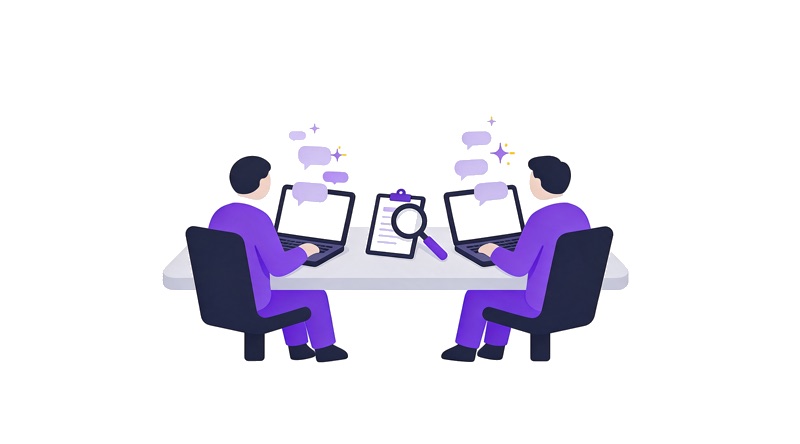
Workforce AI Usage & Exposure
We find which AI tools staff actually use, what data goes in, and whether the written policy matches real behaviour.
Typically for: Any organization whose staff use AI tools.
You walk away with
- Findings report
- A rewritten, bilingual AI usage policy
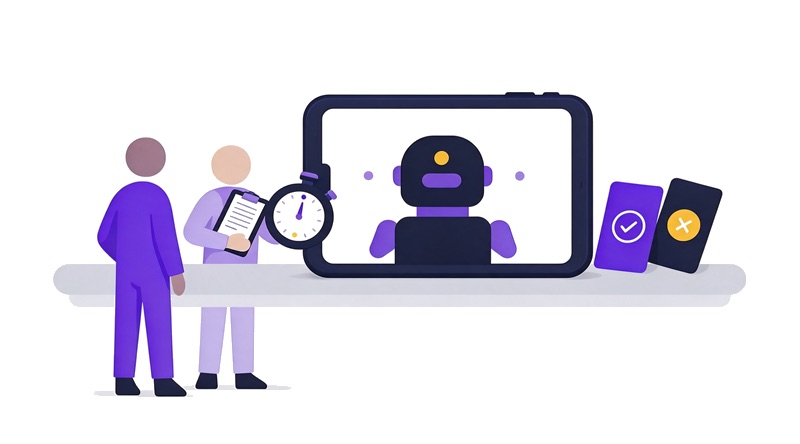
Customer-Facing AI & Decisions
Where your AI talks to customers or decides something about them, we test it the way a regulator or complainant would.
Typically for: Organizations with chatbots, or quote, eligibility or decision tools.
You walk away with
- Findings report
- A built artifact, such as a bilingual consent layer and a decision-explanation module
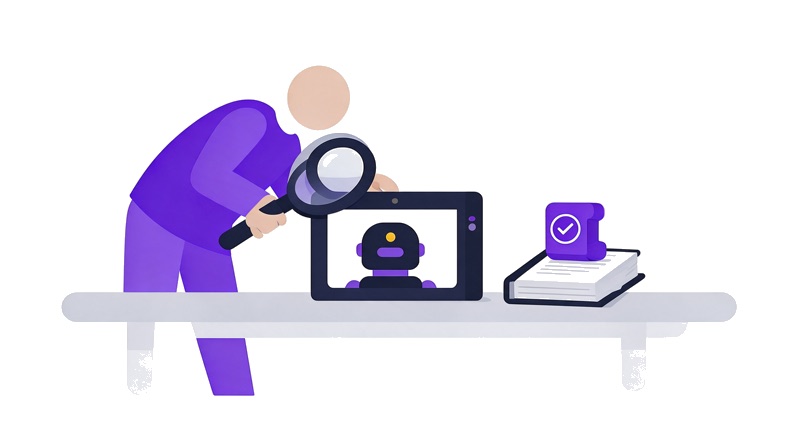
AI Product Verification
If you sell software with AI inside, we test it the way your toughest customer's auditor would and hand over an independent report.
Typically for: SaaS vendors with AI features.
You walk away with
- An independent report you can show buyers
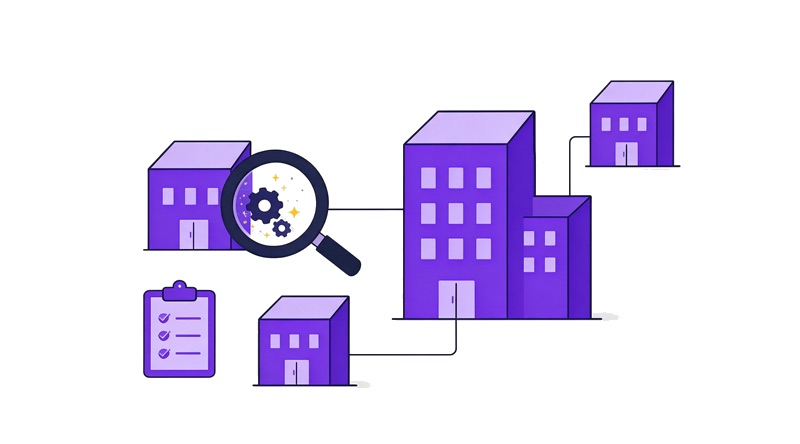
Supplier & Third-Party AI
Suppliers' AI becomes your risk the moment it touches your data. We check what they actually do, not what the questionnaire says.
Typically for: Organizations relying on AI-enabled vendors or agencies.
You walk away with
- Findings report
- A standing supplier AI register
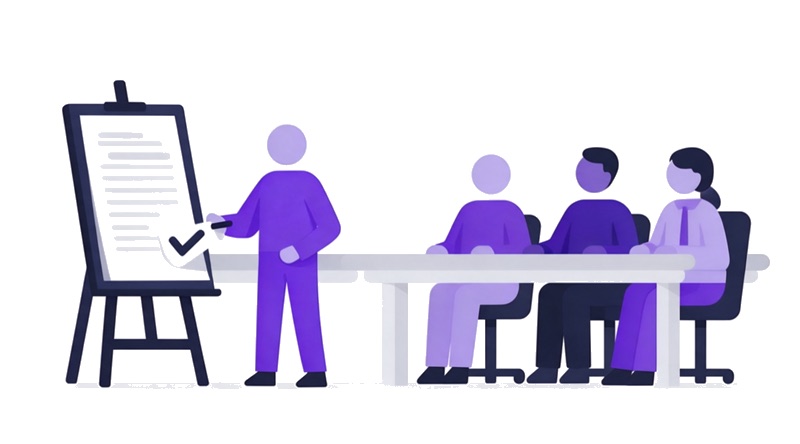
AI Governance Verification
You have a policy, maybe a committee or a public AI report. We test whether it's actually true and give you an independent statement.
Typically for: Organizations with published responsible-AI commitments.
You walk away with
- Findings report
- Independent verification statement
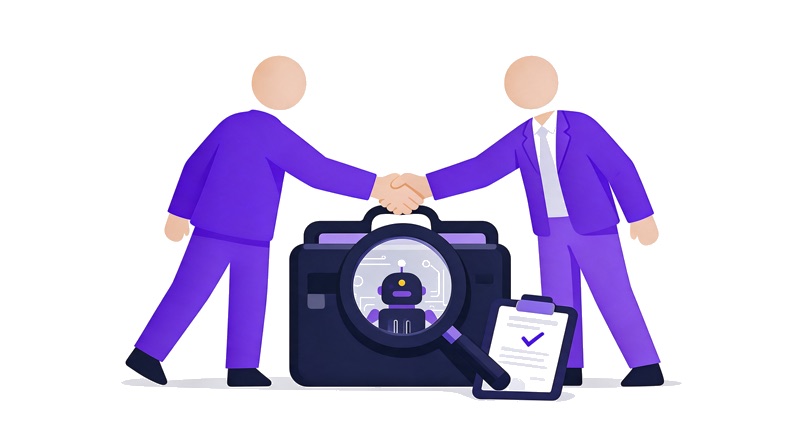
AI Transaction Due Diligence
Before you buy a company, we find what AI the target really runs and what liabilities come with it.
Typically for: Acquirers and PE-backed buyers.
You walk away with
- Findings report
- A 100-day AI integration checklist
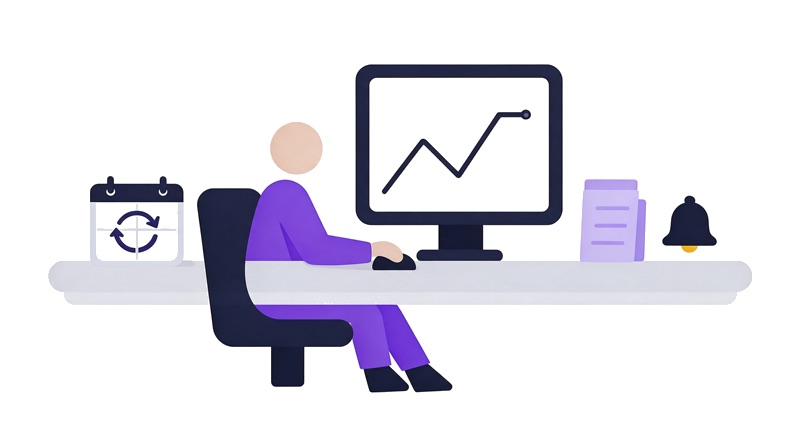
Continuous Monitoring & Regulatory Watch
The audit stays true over time: we re-run checks every quarter and report legal changes in French and English.
Typically for: Any organization after a first audit.
You walk away with
- A bilingual quarterly regulatory-change memo
- Checks re-run on your systems
Is your human review real?
This is the strongest finding we produce. Saying a person reviews every AI decision is easy. The review logs show whether it's true.
- Review speed. Time spent on each decision. A review under five seconds is not oversight.
- Override rate. How often a reviewer disagrees with the AI, in either direction.
- Reviewer consistency. Whether near-identical candidates get the same outcome from different reviewers.
92% of reviews under 5 seconds · 1.4% override rate
Illustrative example from a fictional client.
HOW EVERY AUDIT WORKS
We compare what you declare with what your systems actually do. All nine audits are built from the same four actions. Nothing in your systems is changed.
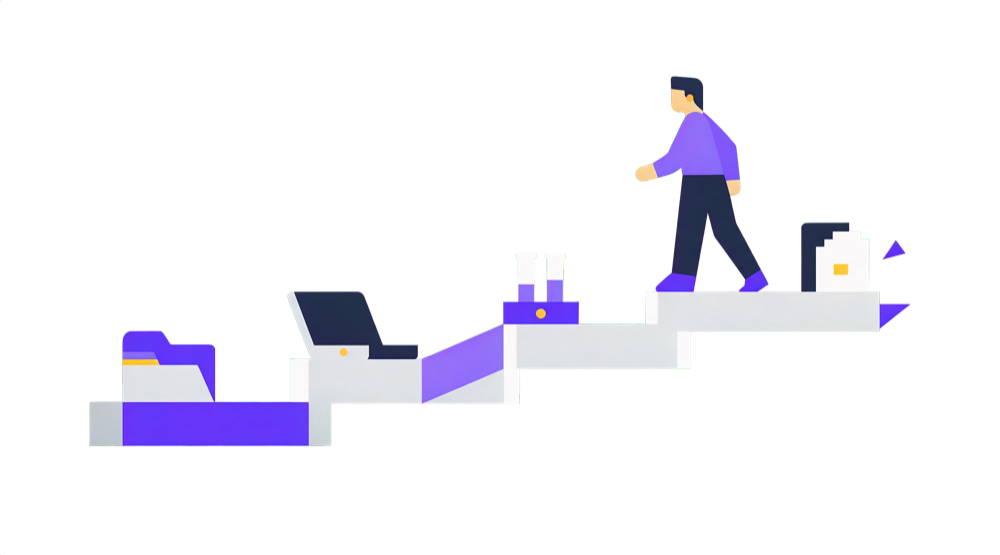
Discovery
Your declared inventory (tools, suppliers, AI features switched on) compared with what the activity logs show.
Testing
Controlled inputs sent to a live or sandbox AI system, with a record of what it does.
Record analysis
Statistics on real historical decisions, from exports you control.
Document & configuration review
Policies, contracts, notices and settings, held up against what the first three steps found.
What we work from
Declared recordsActivity logsDecision-level exportsLive or sandbox accessWHAT YOU WALK AWAY WITH
Every audit produces at least one of these four things.
Findings report
Every finding stated as a fact, ranked by importance, with the evidence and the method behind it. Written so counsel can use it.
Portable proof
A document you hand to a customer, a buyer's auditor or a regulator: EFVP, attestation, product report, verification statement.
Built artifact
Something built and ready to use: a bilingual notice, a human-review workflow, a rewritten policy, a consent layer, an integration checklist.
Standing record
A record that stays current: a supplier AI register, a bilingual quarterly regulatory-change memo.
REACH OUT FOR MORE INFORMATION
Tell us where AI shows up in your organization. We reply to set up a short scoping call and pick the right place to start.
Contact Us
FREQUENTLY ASKED QUESTIONS
REACH OUT FOR MORE INFORMATION
Tell us where AI shows up in your organization and what worries you about it. We reply to set up a short scoping call.
Email:
info@shikitech.comCall:
+1-438-820-4567Working Time:
09:00 AM to 06:00 PM (EST)
Location:
3 Place Ville Marie,suite 400, Montréal, QC,
H3B 2E3